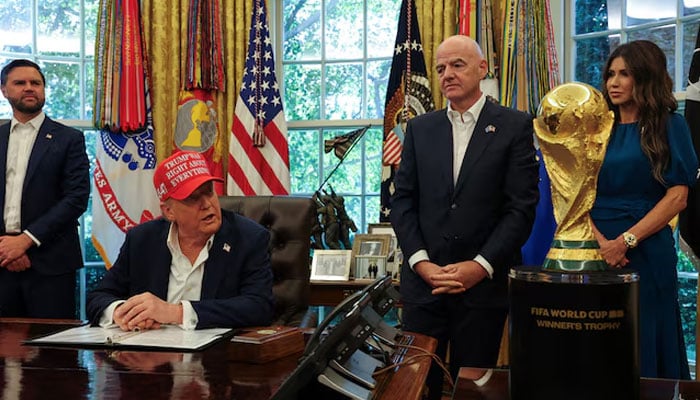
The 2026 FIFA World Cup, co-hosted by the United States, Canada, and Mexico, was billed as a celebration of global unity. Just days before the tournament's opening matches, it is already descending into controversy over stringent U.S. border policies and heavy-handed security measures that have affected players, referees, officials, and fans from several nations.
Incidents have piled up rapidly. Members of the Senegal national team faced unusually rigorous inspections upon arrival in San Antonio, with players reportedly forced to open luggage for detailed checks directly on the airport tarmac. Videos circulating online showed security personnel examining bags, shoes, and personal items in what many described as a humiliating public process. Similar complaints emerged from the Uzbekistan squad, including sniffer dogs and additional screenings even after initial airport clearance.
“Everyone is complaining about the poor facilities and organization in the stadiums, training facilities, and airports, as well as the detention of players, photographers, referees, coaches, and just about everything else, and it will be the worst World Cup edition ever.” pic.twitter.com/arp70Q4m8l
— JASSIM THANi 🇶🇦 (@JBT_86) June 8, 2026
The most high-profile case involves Somali referee Omar Abdulkadir Artan, named Africa's top referee in 2025 and set to become the first Somali official at a men's World Cup. Despite holding a valid visa and diplomatic passport, Artan was denied entry at Miami International Airport due to "vetting concerns." He was sent back without officiating any matches, prompting disappointment in Somalia and criticism of U.S. immigration rules tied to broader travel restrictions.
🇧🇪 The Belgian team arrived into the USA today and had to go through immigration control.
— Football Tweet ⚽ (@Footballtweet) June 9, 2026
Here's Kevin De Bruyne being searched. pic.twitter.com/1YJIDgGdoy
Reports have also highlighted issues for delegations from countries like Iran and Iraq, including prolonged questioning, staff visa denials, and logistical headaches. Fans from nations facing entry limits have canceled trips in significant numbers, while human rights groups and commentators decry the atmosphere of suspicion overshadowing the event.
The Senegalese 🇸🇳 delegation gets this treatment on arrival in the USA. Full tarmac searches, shoes off, bags turned inside out like criminals.
— World Cup 2026 Daily (@TotalFootball) June 8, 2026
This is straight up humiliation and a disgrace. They’d never put white boys through the same.pic.twitter.com/KULjwTsCQI
U.S. authorities, including Customs and Border Protection, emphasize that enhanced screening prioritizes national security amid existing presidential proclamations restricting entry from certain countries. FIFA has stated it does not control host immigration decisions but faces mounting pressure as the tournament risks being remembered more for border tensions than on-pitch drama. Whether these measures ensure safety or undermine the World Cup's spirit of inclusivity remains a heated debate. With the games just beginning, the heavy-handed approach has already cast a shadow over what was supposed to be football's grandest showcase.